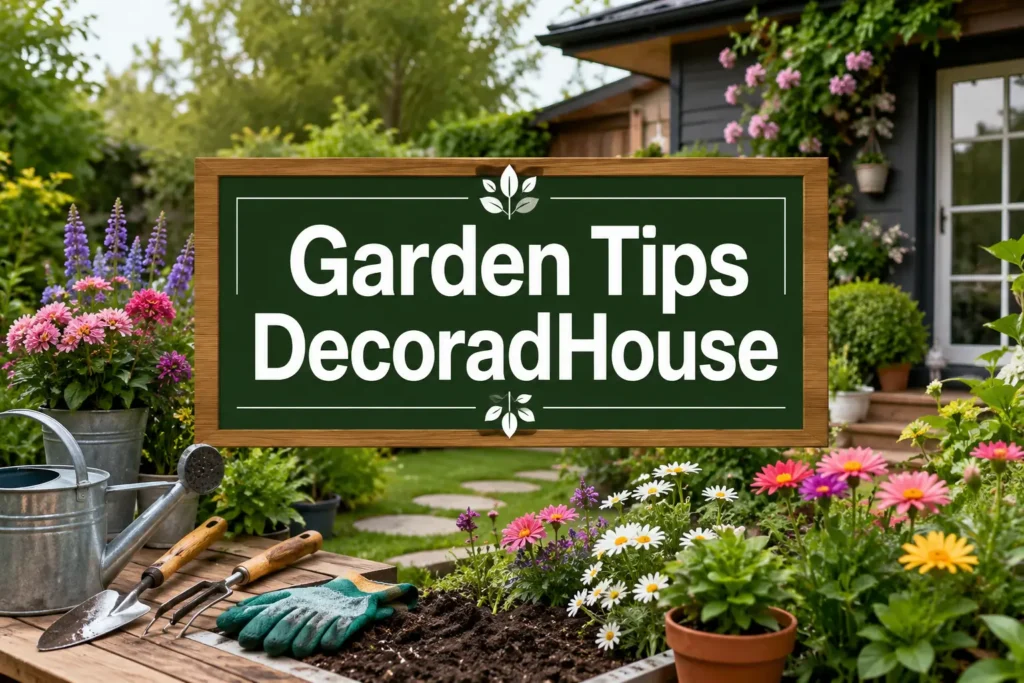

A beautiful garden does not happen by accident. It takes a little planning, the right plants, and a few smart habits. Many people jump straight into buying flowers and decorations, only to feel disappointed a few weeks later.
If you searched for Garden Tips DecoradHouse, you are probably looking for practical advice that actually works, not just pretty pictures. This guide breaks everything down in simple words, covering soil, plants, layout, and decor in a way that fits real backyards, patios, and balconies.
We looked closely at proven gardening principles and organized them into one clear, easy to follow guide. At Smart Home Fix, we enjoy helping readers improve their outdoor spaces just as much as their indoor ones, and this article follows that same approach.
A garden is really an extension of your home. It deserves the same thoughtful planning you would put into decorating a living room or organizing a kitchen. With the right approach, even a small, simple outdoor space can become a favorite part of your home, one you actually want to spend time in.
What Are Garden Tips DecoradHouse?
Garden Tips DecoradHouse refers to a collection of practical gardening and outdoor design ideas built around one simple goal. Help homeowners create a garden that looks good, grows well, and fits their lifestyle.
Instead of focusing only on decoration, this approach covers the full process. That includes:
- Planning the space before buying anything
- Choosing plants suited to your climate and sunlight
- Improving soil health for stronger growth
- Arranging layout for both beauty and function
- Watering, lighting, and seasonal maintenance
This complete approach makes it useful for beginners, busy homeowners, and experienced garden lovers alike. Whether you have a large backyard or a small balcony, the same core principles apply.
What makes this approach different from scattered gardening tips found elsewhere is the emphasis on sequence. Rather than jumping straight to decoration, it walks through each step in the order that actually leads to lasting success, starting with the ground beneath your feet and working upward toward the finishing touches.
Why Planning Comes Before Planting
One of the most common mistakes people make is buying plants before thinking about the space itself. A plant may look perfect in a nursery, but if it does not match your sunlight, soil, or climate, it often struggles within just a few weeks.
Planning first means:
- Studying how sunlight moves across your yard during the day
- Noticing which areas stay damp or dry after rain
- Thinking about how you actually walk through the space
- Deciding on a general style before buying decor
Spending just thirty minutes observing your outdoor space before shopping can save both money and disappointment later. This single habit is often the biggest difference between a garden that thrives and one that struggles.
Try walking through your space at different times of day, ideally morning, midday, and evening. This simple exercise reveals which areas get full sun, which stay shaded, and which spots tend to stay damp after rainfall. That information becomes the foundation for every plant and design decision that follows.
Preparing Your Soil the Right Way
Healthy soil is the foundation of any thriving garden. Without it, even the best plants will struggle to grow properly.
Testing and Improving Soil Quality
Before planting anything, it helps to understand what your soil actually needs. This usually involves:
- Testing soil pH levels
- Checking nutrient content
- Understanding soil texture, whether sandy, clay, or loamy
- Adding organic compost to improve structure
Compost plays a major role here. It improves soil structure and encourages stronger root development, which directly affects how well your plants survive over time. Garden experts often emphasize that proper soil preparation significantly increases plant survival rates compared to skipping this step entirely.
Applying fertilizer carefully, rather than in large random amounts, also supports healthier long-term growth. Overdoing fertilizer can actually harm plants, so a measured, consistent approach tends to work best.
Soil testing kits are widely available and relatively simple to use, making this an accessible first step even for beginners. Once you understand your soil’s starting point, choosing the right amendments becomes much easier, rather than guessing and hoping for the best.
The Role of Mulching in a Healthy Garden
Mulching is one of the simplest yet most effective techniques in any garden. It offers several benefits at once:
- Reduces weed growth significantly
- Retains soil moisture during dry periods
- Helps stabilize soil temperature
- Improves soil quality over time as organic mulch decomposes
Many gardeners consider mulching one of the easiest ways to reduce ongoing maintenance. Instead of spending hours pulling weeds or watering constantly, a good layer of mulch handles much of that work naturally.
There are several mulch options to choose from, including wood chips, straw, and shredded leaves. Organic options tend to offer the added benefit of enriching the soil as they slowly break down, making them a popular choice among gardeners who want long-term soil health, not just a quick visual fix.
Choosing the Right Plants for Your Space
Plant selection is where many gardens succeed or fail. Choosing based on looks alone often leads to disappointment down the road.
Matching Plants to Climate and Sunlight
Every plant has specific needs. Before choosing anything, consider:
- How much direct sunlight your space receives
- Your regional climate and seasonal temperature changes
- How much rainfall or watering the plant will realistically get
- Whether the space has good drainage or tends to stay wet
Understanding these weather and light patterns helps you choose plants that survive long term, rather than ones that look nice for a single season and then fade away.
It also helps to think realistically about how much time you can dedicate to garden care. A plant that requires daily watering and constant attention may not be the best fit for a busy household, even if the climate technically supports it. Matching plant choices to your actual lifestyle, not just your local weather, leads to far better long-term results.
Native Plants vs Ornamental Varieties
Native plants offer a major advantage for most home gardeners. They typically:
- Require less maintenance overall
- Adapt better to local weather conditions
- Support local pollinators and wildlife
- Need less frequent watering once established
Ornamental plants, on the other hand, can add unique color and character but often require more attention. A balanced garden usually combines both, using native plants as a strong foundation while adding ornamental varieties for visual interest.
This combination approach also supports a healthier local ecosystem. Native plants tend to attract beneficial insects and pollinators that are already adapted to your region, which can improve the overall health of your entire garden, not just the native plants themselves.
Smart Garden Layout and Zoning Ideas
A garden without a clear layout often feels crowded and disorganized, no matter how nice the individual plants look.
Dividing Your Garden into Functional Zones
Professional-looking gardens are rarely created by chance. They usually start with a clear plan. Zoning means dividing your outdoor space into distinct functional areas, such as:
- A flower or ornamental planting area
- A vegetable or herb garden section
- A clear walking pathway
- A relaxation or seating corner
This kind of structure ensures better organization and easier maintenance over time. Instead of one flat, undefined space, your garden begins to feel intentional and purposeful.
Small gardens especially benefit from zoning. Rather than treating the entire area as one open patch, dividing it into smaller mini-scenes, like a reading corner, a container plant area, or a pollinator friendly patch, makes even compact spaces feel organized and thoughtfully designed.
Sketching a simple layout on paper, or using a basic digital tool, before making any purchases can make this process much easier. Seeing the space mapped out helps you spot potential issues early, such as awkward pathways or overcrowded planting areas, before they become expensive mistakes.
The 70/30 Rule for Balanced Design
A helpful guideline used in many garden designs is the 70/30 rule. This means:
- About 70 percent of the space is dedicated to plants and greenery
- The remaining 30 percent covers pathways, furniture, and decor
This balance keeps a garden looking natural and lush, without feeling empty or overly hardscaped. It is a simple ratio to keep in mind whenever you are planning a new section of your outdoor space.
This rule works as a helpful starting guideline rather than a strict requirement. Depending on your goals, some gardens may lean slightly more toward greenery, while others focused on entertaining might include a bit more hardscaping. The key is using the ratio as a reference point to avoid extremes in either direction.
Layering Plants for a Professional Look
Layering is a technique that instantly makes a garden look more polished and intentional, even without a large budget.
Using Raised Beds, Containers, and Vertical Planters
Layering typically involves combining different plant heights and structures, such as:
- Tall plants or shrubs at the back or center
- Medium height plants filling the middle layer
- Low growing plants or ground cover in front
- Raised beds or containers for added structure
Vertical planters and trellises are especially useful for smaller spaces. They allow you to grow more without losing valuable walkway or seating space. A simple trellis against a fence, for example, can support climbing plants while taking up almost no floor area.
Combining perennials, which provide structure throughout the year, with seasonal plants that add bursts of color, creates a garden that feels dynamic and evolves naturally with the changing seasons.
This layered structure also mimics how plants grow naturally in the wild, which tends to feel more organic and visually pleasing than rigid, uniform planting. Even a small garden can achieve this layered effect using containers of varying heights, arranged thoughtfully along a wall or fence line.
Budget-Friendly and Upcycled Garden Decor
You do not need a large budget to create a beautiful, stylish garden. Some of the most charming garden features come from creative reuse rather than expensive purchases.
Common budget-friendly ideas include:
- Turning an old wooden ladder into a plant stand
- Using a cracked ceramic bowl as a succulent planter
- Repurposing a wine crate as a small herb container
- Choosing one strong focal point instead of scattering many small decorations
Picking a single standout feature, like a small water feature or an interesting planter, and letting it anchor the rest of the space often creates a calmer, more designed feeling than filling every corner with random decorations.
This upcycled approach is both budget-friendly and more sustainable, giving old or unused items a meaningful second life in your outdoor space.
Beyond the cost savings, upcycled decor often adds a unique, personal touch that store-bought items simply cannot replicate. A weathered wooden ladder or a repurposed crate carries character and history, giving your garden a story that feels authentic rather than mass-produced.
Watering, Lighting, and Seating Essentials
Beyond plants and layout, a few practical elements make a garden genuinely enjoyable to use, not just look at.
Simple Watering Techniques That Save Time
Efficient watering habits can save both time and water over the growing season. Helpful approaches include:
- Watering deeply rather than frequently and shallowly
- Watering early in the morning to reduce evaporation
- Using mulch to help retain moisture longer
- Grouping plants with similar water needs together
Deep, less frequent watering encourages stronger root growth compared to light, daily watering, which often only reaches the very top layer of soil.
Watering early in the morning also gives plants a chance to absorb moisture before the heat of the day causes evaporation. This simple timing adjustment can noticeably reduce how much water your Garden Tips DecoradHouse needs overall, which is especially helpful during warmer months.
Adding Lighting and Comfortable Seating
Outdoor lighting extends how long you can actually enjoy your Garden Tips DecoradHouse each day. A layered lighting approach usually works best, combining:
- Ambient lighting for general visibility
- Task lighting near seating or cooking areas
- Accent lighting to highlight specific plants or features
For seating, practical furniture choices matter just as much as style. Lightweight, foldable furniture allows easy rearrangement, which works especially well in smaller yards where space needs may change based on the activity or occasion.
Weather-resistant materials, such as treated wood, metal, or synthetic wicker, provide durability without sacrificing style. Choosing furniture built to withstand outdoor conditions means you can keep your garden usable and comfortable throughout the year, not just during peak season.
Seasonal Garden Maintenance Tips
A Garden Tips DecoradHouse is not a one-time project. It changes with the seasons, and a little ongoing care keeps it looking its best year-round.
Helpful seasonal habits include:
- Refreshing mulch layers as they break down
- Trimming back overgrown perennials before new growth begins
- Rotating seasonal plants for continued color throughout the year
- Adjusting watering schedules as temperatures shift
Sustainable maintenance techniques, like using organic mulch and natural compost, also make upkeep easier and more affordable over time. These methods support beneficial soil organisms and improve root strength, reducing how much active maintenance your garden needs overall.
Building a simple seasonal checklist can make this ongoing care feel far less overwhelming. Breaking maintenance into smaller, seasonal tasks rather than one large annual project keeps your Garden Tips DecoradHouse consistently healthy without requiring huge blocks of time all at once.
Common Gardening Mistakes to Avoid
Even experienced gardeners can fall into a few common traps. Being aware of these mistakes ahead of time helps you avoid unnecessary setbacks.
Frequent mistakes include:
- Buying plants before assessing sunlight and soil conditions
- Overcrowding a small space with too many different plant varieties
- Skipping soil preparation entirely
- Mixing too many decorating styles, which creates visual clutter
- Ignoring long-term maintenance needs when choosing plants
Choosing one clear design direction, whether minimal, rustic, or contemporary, and sticking with it tends to create a much more cohesive and satisfying result than mixing too many different looks at once.
Another mistake worth mentioning is neglecting drainage. Even well-chosen plants can struggle if water pools around their roots for too long after rainfall. Checking how your soil drains before finalizing plant placement helps prevent this issue from causing problems down the line.
Who Can Benefit from Garden Tips DecoradHouse?
These gardening principles work well for a wide range of people, including:
- First-time gardeners unsure where to start
- Homeowners with a backyard, patio, or rooftop space
- Renters working with a small balcony or side garden
- Busy individuals who want a low-maintenance outdoor space
- Anyone who travels often and needs drought-tolerant solutions
If you love a relaxed outdoor space but do not enjoy constant pruning, choosing hardy shrubs, groundcovers, and long-season perennials over fussy seasonal fillers tends to work especially well. For those who travel frequently, drought-tolerant plants combined with generous mulching can significantly reduce the need for regular watering.
Even readers with very limited outdoor space, such as a small apartment balcony, can apply these same principles on a smaller scale. Container gardening and vertical planters make it possible to enjoy many of the same benefits, just adapted to fit a more compact footprint.
Final Thought
A great Garden Tips DecoradHouse does not require a massive budget or a full-time gardener. It needs a clear plan, a few smart choices, and a style that genuinely fits how you live.
The goal is not simply to make a yard look pretty for a single week. It is to create a space that feels inviting throughout every season and still stays manageable, even when life gets busy. By thinking through sunlight, soil, layout, and long-term maintenance from the very beginning, you set your garden up for lasting success rather than short-term results.
At Smart Home Fix, we always encourage readers to start small, apply one idea at a time, and build a garden that reflects both their personal style and their real, everyday lifestyle.
There is no need to tackle every element at once. Pick one section of your garden this weekend, apply a few of these principles, and see how much difference a clear plan makes. Once you experience that first small success, the rest of the garden becomes much easier to approach with confidence.
Frequently Asked Questions
What is the first step in Garden Tips DecoradHouse advice?
The first step is always planning before planting. This means studying sunlight, soil, and traffic flow in your space. A clear plan saves time and prevents costly mistakes later.
Why is mulching so important for a garden?
Mulch helps retain soil moisture and reduces weed growth naturally. It also helps stabilize soil temperature throughout the seasons. Over time, organic mulch even improves overall soil quality.
What is the 70/30 rule in garden design?
The 70/30 rule means 70 percent of your space goes to plants and greenery. The remaining 30 percent covers pathways, seating, and decor. This balance keeps a Garden Tips DecoradHouse looking natural, not bare.
Can small gardens use these Garden Tips DecoradHouse too?
Yes, these tips work well for balconies, patios, and small backyards. Vertical planters and container gardening make the most of limited space. Zoning also helps small areas feel organized rather than crowded.
Do I need a big budget to follow these garden tips?
No, many Garden Tips DecoradHouse-style tips focus on budget-friendly and upcycled ideas. Items like old ladders or crates can become planters. A clear plan often matters more than a large budget.
Conclusion
Garden Tips DecoradHouse brings together practical, proven advice for creating a beautiful, functional outdoor space. From soil preparation and plant selection to layout, lighting, and budget-friendly decor, these principles work for gardens of every size and style.
Whether you are starting your very first Garden Tips DecoradHouse or refreshing a space you have had for years, the key is to plan first, choose wisely, and build gradually. As always, the Smart Home Fix team encourages readers to take their garden one thoughtful step at a time, creating an outdoor space that truly fits their lifestyle and grows more beautiful with every season.